

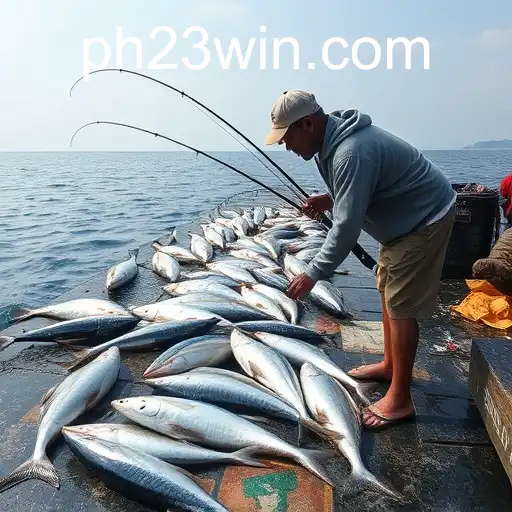

Fishing is more than just a hobby for many; it is a way of life, a means of sustenance, and a profound connection to nature. The art of fishing can be traced back thousands of years, playing a significant role in the livelihood and culture of countless communities across the globe. In this article, we delve into the various aspects of fishing, examining its types, techniques, and the modern-day challenges it faces.
At its core, fishing involves capturing fish, typically for food, sport, or trade. Over the centuries, fishing practices have evolved from basic hand-gathering methods to sophisticated techniques utilizing advanced technologies. Whether for economic gain or recreational enjoyment, the primary goal remains the capture of fish.
Fishing can be categorized into several types, each with its methods and target species.
Commercial fishing is undertaken on a large scale, using boats and advanced equipment to harvest vast quantities of fish. This type of fishing is critical to global food supply chains, providing nutrition for millions worldwide. Despite its importance, commercial fishing faces scrutiny due to overfishing concerns, which threaten marine biodiversity.
Recreational or sport fishing is a popular pastime for many, offering relaxation and adventure. Unlike commercial fishing, it is usually practiced for pleasure or competition rather than profit. Anglers typically use rods, reels, and other gear to target specific species, and some even adopt a catch-and-release approach.
In many developing regions, subsistence fishing sustains communities and provides a vital source of protein. Fishermen in these areas often rely on traditional fishing techniques, handed down through generations. The practice is essential for survival and contributes significantly to the local economy.
Fishing techniques can vary significantly based on the type of fishing, targeted species, and environmental conditions. Here are some common methods employed by anglers and commercial fishermen alike.
This primitive technique involves collecting fish and shellfish by hand from shallow waters or shorelines. Often associated with harvesting shellfish, hand-gathering is an ancient practice that still holds relevance in certain communities.
One of the most widely used methods, netting involves capturing fish by ensnaring them in mesh. Different types of nets, such as trawls, gillnets, and seine nets, serve various purposes in both commercial and subsistence fishing. Despite their efficiency, nets can result in bycatch, impacting unintended species and ecosystems.
Considered the most popular recreational method, angling uses a hook, line, and rod to catch fish. Variation in angling techniques, such as fly fishing and trolling, allows anglers to target diverse species. Angling relies heavily on skill, patience, and environmental knowledge, enhancing its appeal among enthusiasts.
This method uses baited traps to lure fish or crustaceans. Often utilized in crab or lobster fishing, traps are selective and pose minimal threats to non-target species, making them an environmentally friendly option in many scenarios.
With the world population steadily increasing, the demand for seafood has never been higher. The fishing industry must balance meeting demand while preserving ocean health. This dual challenge underscores the importance of sustainable fishing practices and the ph23 standards emerging to guide responsible fisheries management.
Overfishing is one of the most pressing threats to marine ecosystems, as it depletes fish stocks faster than they can replenish. This issue leads to declining fish populations, disrupted food webs, and economic hardship for dependent communities. Addressing overfishing requires collective global efforts and stringent policy enforcement.
To counteract unsustainable fishing, several initiatives and certifications, such as the Marine Stewardship Council (MSC), promote environmentally responsible operations. Adoption of sustainable practices is critical to ensuring the long-term viability of fish populations and marine habitats.
Innovation in fishing technology, such as satellite tracking and sonar systems, aids in monitoring fish stocks and reducing bycatch. Technologies like aquaculture are gaining prominence, offering alternative means to meet seafood demands without stressing wild fish populations.
The future of fishing lies in cultivating harmony between human needs and ecological preservation. By adopting sustainable practices, embracing technology, and fostering global cooperation, we can ensure that fishing remains a vital part of human civilization.

NightfallHunting is an immersive adventure game that captures the thrill of hunting in a mysterious nocturnal world.

Discover BoomFiesta, the latest gaming sensation, with an in-depth look at its features, gameplay, and rules.

Explore the exciting world of CloverCoins4x4, a unique game set to captivate players with its innovative gameplay, strategic depth, and immersive experience.

Explore the exhilarating world of RaveJumpmobile, the latest mobile game sensation combining rhythm, adventure, and cutting-edge innovation.

Dive into the ancient Egyptian-themed game RiseofHorus, exploring its immersive world and engaging gameplay.

Explore the captivating universe of ZeusRushFever, an exhilarating game combining mythology and cutting-edge gameplay, capturing the world's imagination in 2023.
